
Research
Community Resilience and Grassroots Innovation in Indonesia
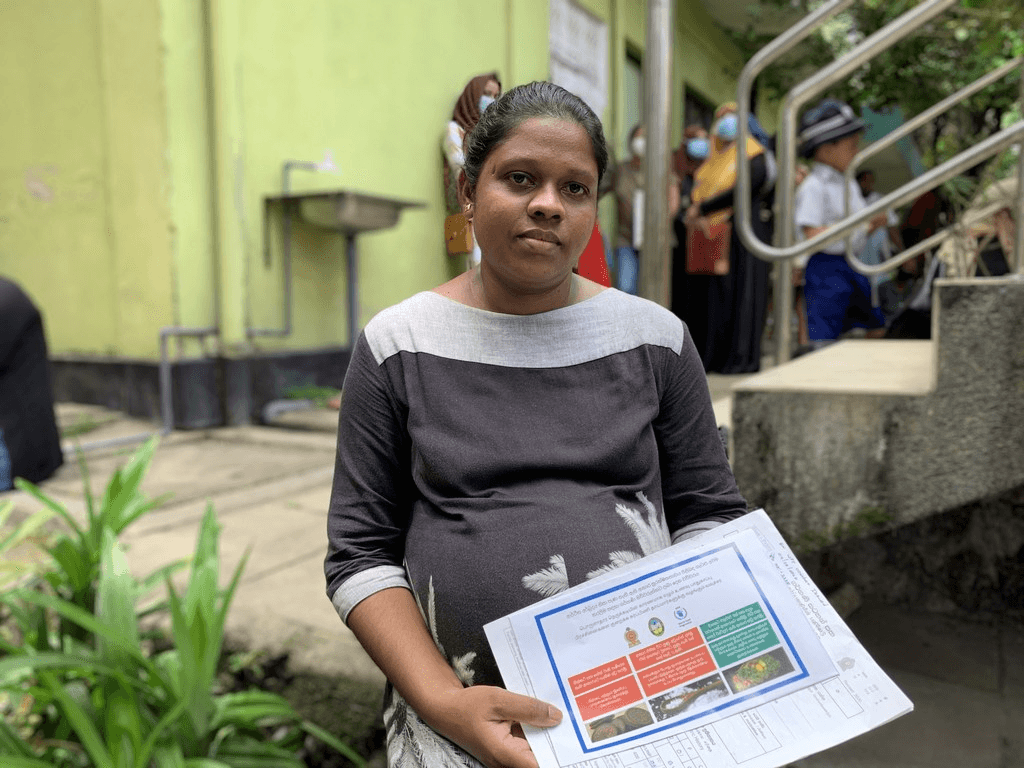
A few weeks ago, I travelled through communities in Indonesia where climate change is part of everyday life. I met women whose lives are shaped by flooding, extreme heat and humidity, changing seasons and growing uncertainty. Despite these challenges and limited resources to address them, these communities were rich in strong social connections with obvious evidence of how neighbours cared for one another, women shared knowledge, and families found creative ways to adapt with what they had. It was a powerful reminder that resilience is built through relationships, trust and collective action. I was again reminded that innovation often emerges from necessity. When communities have little choice but to adapt, they draw on local knowledge, ingenuity and shared purpose to protect their families and livelihoods.
Empowering Resilience
As a researcher, I have rarely felt as welcomed as I did during my time in Indonesia. Listening to women share their experiences, challenges and hopes for the future despite the hardships they face is a privilege that stays with you long after you leave. Their generosity, resilience and quiet determination continue to shape my thinking and my humanity. I often find myself asking: How can I be of greater service to these women? How can our research move beyond documenting their experiences to ensuring they have the knowledge, resources and support they need to protect their health, their families and their futures?
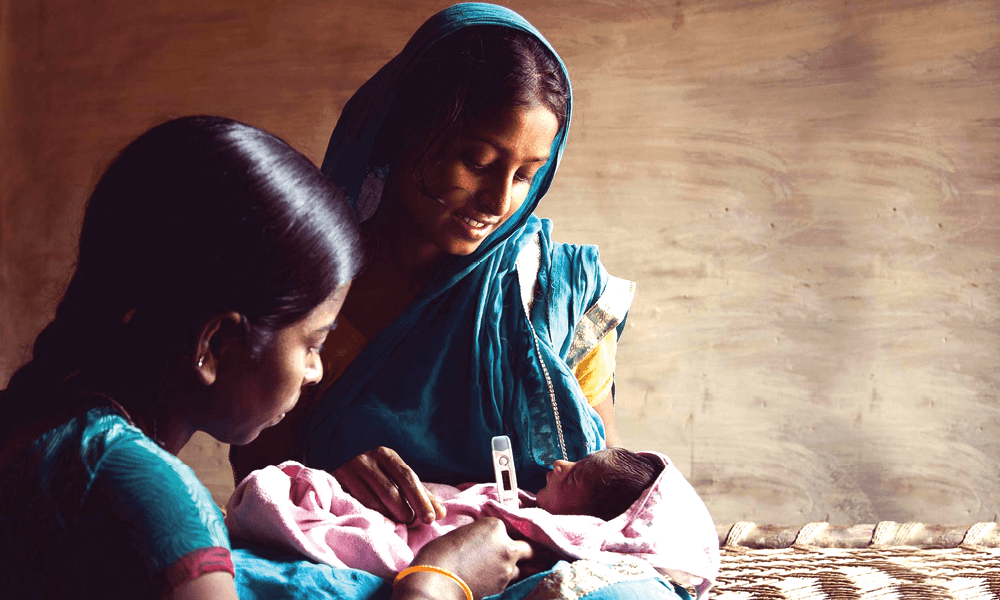
When I returned home, I found myself thinking often about the women I had met and the stories they had shared. Those experiences provided a powerful lens through which to interpret the findings of our recently published survey of women living in climate-vulnerable communities across Indonesia. While the women I met showed remarkable resilience and commitment to caring for their families and communities, our research also revealed an important gap: many women had limited knowledge of how climate change can affect women's sexual and reproductive health and the health of their children.
Awareness of links between climate change and outcomes such as pregnancy complications, preterm birth, menstrual health, child stunting and increased vulnerability to gender-based violence was consistently low, regardless of women's education, occupation or where they lived. This tells us that the challenge extends beyond individual communities or demographic groups to morph into a broader public health issue that deserves urgent attention. We also found that women had relatively limited access to climate and health information. Most relied on the internet and television, while schools and faith-based organisations were rarely identified as information sources despite their trusted place within Indonesian communities. This presents an opportunity to rethink how climate and health information is shared.
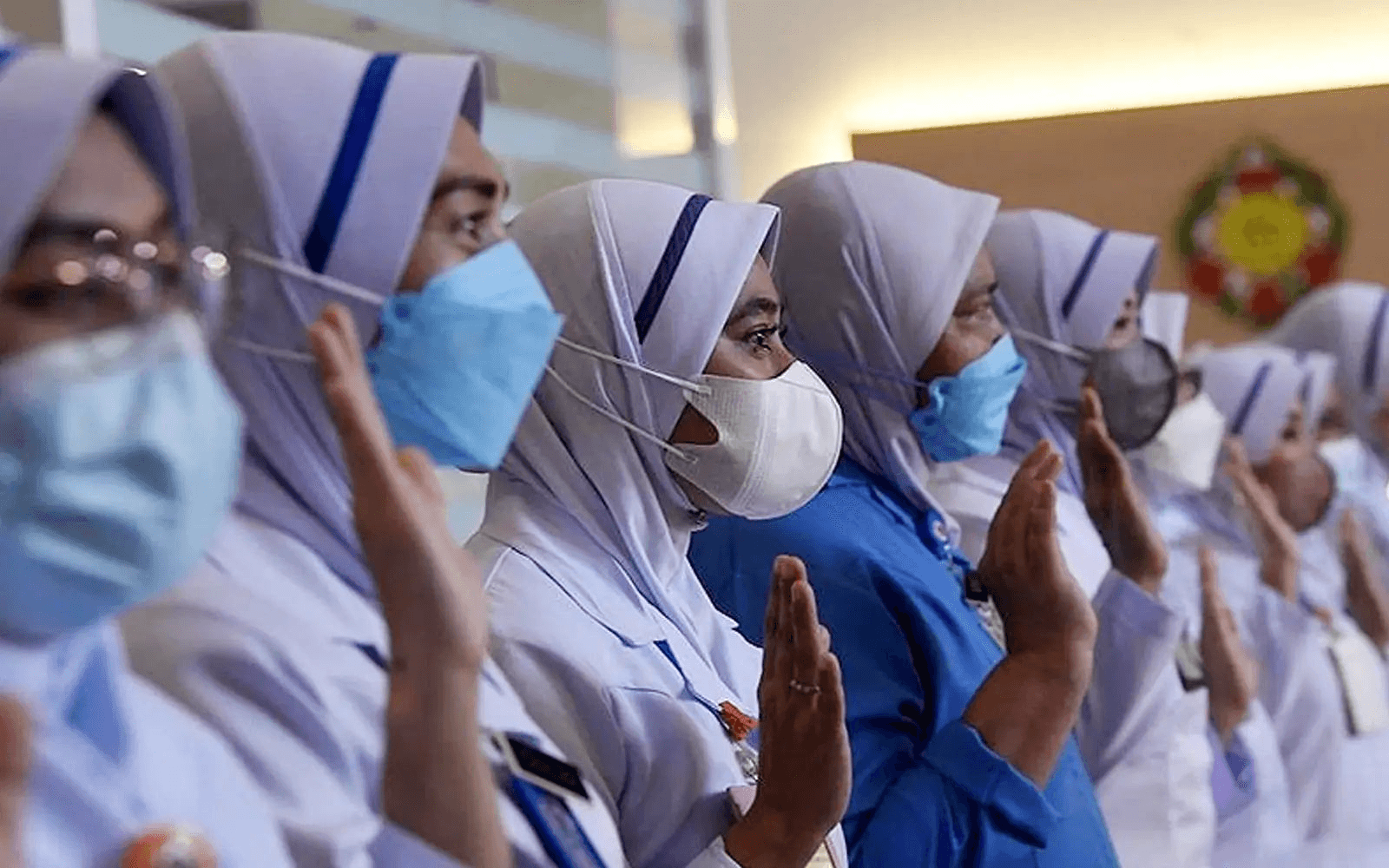
Our findings also offer hope. Women were not disengaged; they were motivated. They cared deeply about protecting their local environment, were already taking practical action within their communities and expressed a strong desire to learn and do more. So, women do not need convincing to do more, instead they need the system in which they live to enable them to do more, to ensure they have access to right information, skills and tools at the right time that is relevant to their lives and health. Rather than relying on a single communication channel, climate and health education should be integrated into places where women already seek care, learn and connect. Primary healthcare services, maternal and child health programs, community health workers, schools, digital platforms such as WhatsApp, faith-based organisations and government institutions all have an important role to play. Working together, these sectors can provide clear, culturally meaningful and locally relevant information that supports informed decisions for women and their families.
This work also requires humility. Climate adaptation goes beyond delivering more information. It is about listening to communities, understanding the cultural and social contexts in which decisions are made, and recognising that women in Indonesia quietly lead in building resilience. Our role as climate and health researchers is to work alongside them, strengthening the existing knowledge and systems that enable communities to thrive. While this research is an important starting point, it is only the beginning. The next challenge is to translate this evidence into action through collaborative, strengths-based public health strategies that provide women with locally relevant knowledge, foster partnerships across sectors, and support them to protect their own health and the health of future generations in an increasingly uncertain climate.
Reference:
Susanti SS, Merduaty RC, Hakim AR, Aini Q, Jacinta HA, Sari IP, et al. (2026) Informing climate adaptation for women’s and children’s health: A cross-sectional survey on knowledge, attitudes, and practices in a climate-vulnerable setting. PLOS Clim 5(7): e0000713. https://doi.org/10.1371/journal.pclm.0000713
Lokmic-Tomkins, Z., Jacinta, H. A., Aini, Q., Merduaty, R. C., Sari, I. P., & Susanti, S. S. (2025). Indonesian Women's Climate and Health Information Needs. Studies in health technology and informatics, 329, 1510–1514. https://doi.org/10.3233/SHTI251091
FUNDING DISCLOSURE:
This work has been funded by the Department of Foreign Affairs and Trade Australia. through KONEKSI. The views expressed in this publication are the authors’ alone and are not necessarily the views of the Australian Government.
More Cases